Korean Body Scrub: What It Is, How to Use One and How to Make Your Own
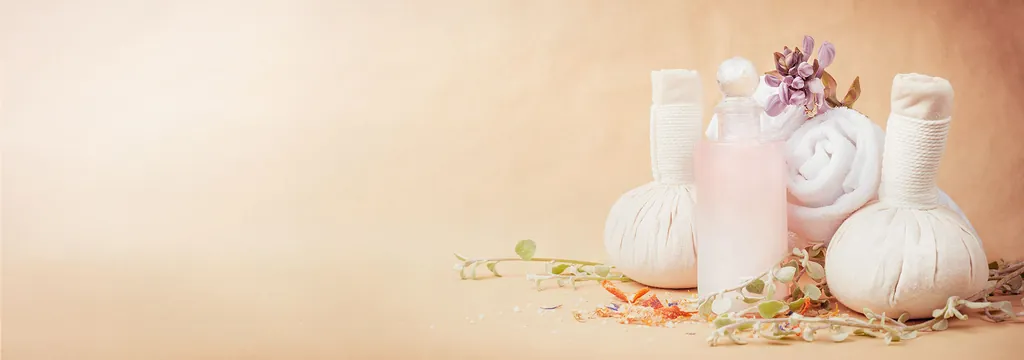
A Korean body scrub is a full body exfoliation done with a textured mitt on warm, softened skin, usually on a waterproof table. The therapist rubs in firm, even strokes until the surface layer of dead skin rolls up in small gray strands, and then rinses you off.
The short answer for most readers: it is a deep exfoliation, not a gentle polish, so it works best when your skin is warm and wet, your pressure is your choice, and you moisturize afterward. 205 Spa in Saddle Brook is not a Korean bathhouse, but our table shower is built around the same idea, warm water and an exfoliating cloth, in a private tiled room.
What is a Korean body scrub?
The treatment comes from Korean bathhouse culture, where a long soak in hot water softens the skin and an attendant scrubs it with a coarse mitt. The mitt is the tool. It does the work that a bead or salt scrub does at home, by lifting off the outermost layer of dead skin cells.
Many people are surprised by how much comes off, and by how smooth the skin feels afterward. What you see rolling away is a mix of dead skin and oil, and skin renews that layer on its own over a few weeks. The scrub simply speeds up the cleanup.
How it differs from a regular scrub
| Korean style mitt scrub | Salt or sugar scrub | |
|---|---|---|
| Tool | Textured mitt or cloth | Gritty paste applied by hand |
| Skin condition | Warm, wet, softened | Damp or wet |
| Feel | Firm and thorough | Lighter and oilier |
| Afterfeel | Very smooth, a little pink | Soft and moisturized |
What is body scrub used for?
A body scrub is used to remove dead surface skin so the body looks and feels smoother, and so lotions and oils spread more evenly afterward. It is a grooming step, not a medical one.
People use scrubs before a vacation, before a shave to help with ingrown hairs, to smooth rough patches on elbows and knees, or simply because the feeling is satisfying. Some find that it makes skin look brighter. Others use it as part of a weekly self care routine.
A scrub is not a cure for skin conditions. If you have eczema, psoriasis, an open wound, a fresh sunburn or a new tattoo, skip it and ask a dermatologist what is safe for your skin. For a look at the service itself, see our body scrub overview, and our body polishing page covers the finer, gentler option.
How to use a body scrub step by step
Use a scrub on warm, wet skin, move in small circles or long strokes with light to medium pressure, rinse well, and moisturize right after. Once or twice a week is plenty for most skin.
- Soak or shower in warm water for several minutes to soften the skin.
- Apply the scrub or mitt to one area at a time, starting at the feet and working upward.
- Use steady, even strokes. Skip the face, broken skin and anywhere tender.
- Rinse thoroughly so no grit stays on the skin.
- Pat dry and apply a plain moisturizer or oil while the skin is still slightly damp.
Go lighter on the chest, inner arms and inner thighs, where skin is thinner. Redness that fades in an hour is normal. Burning, stinging or lasting redness means you pressed too hard, so ease off next time.
Pair it with heat
Warmth softens skin, which is why many people scrub right after a steam. Read our beginner guide to using a sauna if you want to build that into your routine.
How to make a body scrub at home
A basic homemade scrub is just a gritty ingredient and an oil. Mix about two parts sugar or fine salt with one part oil, add a few drops of a gentle scent if you like, and use it right away.
A simple recipe
- Half a cup of white or brown sugar for the body, which is gentler than salt
- A quarter cup of olive, jojoba or sweet almond oil
- A few drops of essential oil such as lavender, if your skin tolerates it
Stir until it looks like wet sand, and keep it in a clean jar for a week or two. Coarse salt scrubs are fine for feet and elbows but can sting on thinner skin. Do a patch test on the inside of your arm first, and skip essential oils if you have sensitive or reactive skin.
Never use a body scrub on your face. Facial skin is thinner and needs a different product, a point we cover in our guide to facials and back care.
What a scrub session feels like, and what to do afterward
Expect warm water, firm strokes and a clean, slightly tingly feeling at the end. A session moves across the body in sections, with the therapist turning you or asking you to turn as they go, and a short rinse closes it out.
Your skin may look a little pink for an hour or so, and it will feel very smooth. That smooth layer is also more exposed than usual, so treat it kindly for the rest of the day.
Aftercare that helps
- Moisturize within a few minutes of drying off, while the skin is still slightly damp.
- Skip hot baths, harsh soaps and fragrance heavy lotion until the next day.
- Wear sunscreen on any skin that will be outdoors, since fresh skin burns more easily.
- Hold off on waxing or shaving for a day or two so you do not irritate it further.
Drink water and rest. If your skin stays red, itchy or sore past the next day, check in with a dermatologist, and let your therapist know before the next session so they can lighten the pressure.
Who should skip a scrub or ask first
Skip the scrub on broken, burned, freshly waxed or very irritated skin, and ask your doctor first if you have a skin condition, diabetes or poor circulation. Pregnancy is generally fine for gentle exfoliation but worth mentioning to your provider.
Let your therapist know about allergies, medications that thin the skin, or recent treatments like peels. If you use retinol on your body, pause it for a few days before a scrub. A good session starts with a short chat about exactly this kind of thing, and a therapist who asks is a good sign.
The table shower: our version of warm water and exfoliation
The table shower is the house signature at 205 Spa. You rest on a padded table in a fully tiled private room while warm water falls over you, and the therapist works an exfoliating cloth across your back, legs and shoulders before you turn over. You can take it before or after any massage.
It is not a Korean bathhouse scrub, and we do not pretend it is. What it shares is the warm water, the exfoliating cloth and the very clean, smooth feeling afterward. Read the table shower details, and if you want to add steam beforehand, check the steam sauna service.
One practical note: Health savings and flexible spending accounts have their own rules for spa treatments, so see our explainer on using HSA for massage and check with your plan.
Visit 205 Spa in Saddle Brook
205 Spa is at 205 N 6th St, Saddle Brook, NJ 07663, between Midland Avenue and Market Street, near the meeting of Route 80, Route 17 and Route 46. We are open every day from 9 AM to 11 PM. Walk ins are welcome, parking on site is free, and you can call 201-368-5244 to hold a room or use the booking form.
For the treatment itself, start at the body scrub overview and call us for pricing and what fits your visit.
Questions readers ask
Does a Korean body scrub hurt?
It is firm, and some areas feel more intense than others, but it should not be painful. Tell the therapist to ease up whenever you need to.
How often can I use a body scrub?
Once or twice a week is plenty for most people. Sensitive skin may prefer every other week.
Can I use a body scrub on my face?
No. Facial skin is thinner, and body products are too harsh. Use a product made for the face instead.
Should I shave before or after a scrub?
Scrub first, then shave, because exfoliating first can help free trapped hairs. Avoid scrubbing freshly shaved or nicked skin.
Is a body scrub safe after a spray tan or tattoo?
Skip it on a fresh tattoo, and expect a scrub to fade a spray tan. Wait until the tattoo is fully healed.