Does Cupping Hurt? What the Pull Feels Like
Cupping looks like it should hurt. The cups are firm, the skin is pulled up inside them, and the marks afterward are the color of a bruise. First timers at 205 Spa in Saddle Brook almost always ask the same question before the first cup goes on.
The direct answer: cupping does not hurt for most people. It feels like a strong, steady pull on the skin that settles into warmth and heaviness within a minute. It can feel intense over a very tight spot, and it should never feel sharp. This guide walks through the sensation minute by minute, explains the difference between a pull and pain, covers why the marks appear and what to do after, and compares cupping with deep tissue massage so you can decide which to book.
The short answer: a pull, not a pain
Cupping is suction. A cup is set on oiled skin and the air inside is drawn out, so the skin and the tissue under it lift into the cup. The feeling is a firm tug, like a strong pinch spread across a wide area, with no sharp point. On a relaxed area it is mild. On a knot it is noticeable, the way pressure on a knot is noticeable, and most people describe it as a good hurt rather than a bad one.
Two things make it easier than it looks. The suction is adjustable, so the therapist starts gentle and only goes stronger if you ask. And the body adapts fast. The first thirty seconds under a cup are the most intense; after that the nerves settle and the area feels warm and heavy.
What cupping feels like, minute by minute
Here is a typical first session at 205 Spa, with cupping added to a massage on the back and shoulders.
- Minute 0. Oil goes on. The therapist has already warmed the area with massage strokes, so the muscle is relaxed.
- Minute 1. The first cup is placed and the air drawn out. A firm pull, a little surprising, like skin being lifted by a wide suction. Not sharp.
- Minute 2. More cups go on, usually four to eight across the back. Each new one draws attention for a few seconds, then blends in.
- Minutes 3 to 5. The pulling eases into warmth. The area under each cup feels heavy and full. Most people relax here.
- Minutes 5 to 10. Stationary cups stay in place. If the therapist is sliding cups instead, you feel a dragging pull move along the muscle, strongest over tight bands.
- Release. A finger breaks the seal and the cup lifts off. Instant and painless. The skin feels cool and loose where the cup was.
- After. Lighter massage strokes finish the area. Round marks are visible within minutes on most people.
The whole cupping portion fits inside a standard 60 minute massage. If anything in that sequence feels sharp, say so, and the suction is reduced or the cup moved.
Pulling sensation vs pain: when to speak up
The line is simple. Pulling, warmth, heaviness and dull ache over a knot are the treatment working. Sharp, stabbing, burning or pins and needles mean something is wrong and the cup should come off.
| What you feel | What it means | What to do |
|---|---|---|
| Firm tug that settles in a minute | Normal suction | Nothing, let it work |
| Dull ache over one spot | Cup is on a tight band or knot | Normal; ask for lighter suction if it distracts you |
| Sharp or stabbing | Suction too strong or cup on a bony edge | Say so; the cup is moved or released |
| Burning | Skin irritation or too strong on thin skin | Release the cup |
| Tingling or numbness | Pressure on a nerve | Release and move the cup |
| Light headed when standing | Blood pressure shift | Sit, drink water, stand slowly |
Therapists at 205 Spa check in as the cups go on and again before sliding. You do not have to tough it out. A cup that hurts is a cup set too strong, and strong suction does not work better than moderate suction. It only marks more.
How a cupping session works at 205 Spa
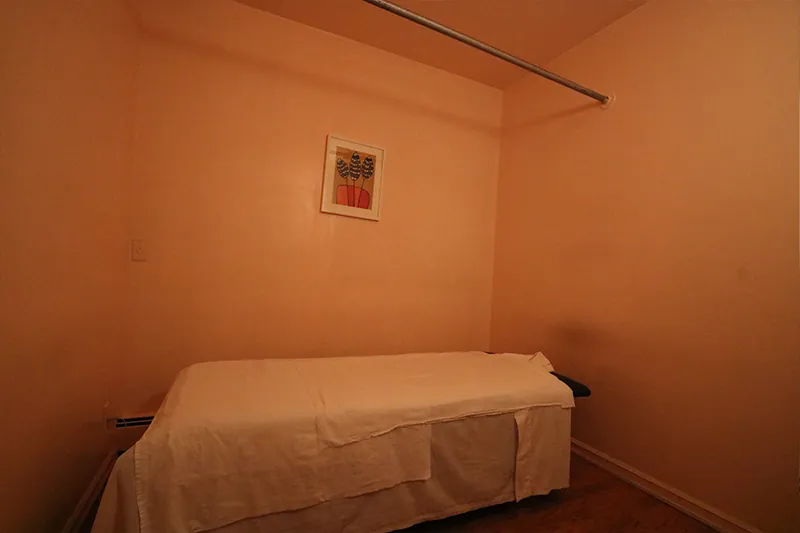
Cupping at 205 Spa is dry cupping done in a private treatment room with fresh linens, usually inside a massage. It starts with a short conversation about sore spots, injuries and pressure, which for cupping means how strong the suction should be. First timers start light.
The therapist warms the area with massage, applies oil, and places pump or silicone cups on the back, shoulders, hips or legs. They stay for several minutes or slide along the muscle. Then they come off and the massage finishes. Afterward there is time to rest and rehydrate. If you want the full mechanics, read what cupping does. Cupping is listed on the services menu with the massage styles it pairs with, and it is easiest to add to a deep tissue or sports session where the muscle is already warm.
The marks: why they appear and whether they hurt
The round marks are the most asked about part of cupping, and they do not hurt. They are not bruises in the usual sense. A bruise is blood released by impact that damaged vessels. A cupping mark is blood drawn by suction into the tissue just under the skin, without impact. It looks similar and behaves differently: it is rarely tender, and it fades in a predictable way.
Marks range from faint pink to deep purple. Darker marks tend to appear over areas that were tighter or where suction was stronger, and they are common on a first session. They usually fade within 3 to 10 days. The area may feel slightly tender to the touch for a day, like the day after a workout. Our posts on how long cupping marks last and what the colors suggest cover the rest. If you have a wedding or a beach weekend coming up, mention it and the therapist will keep the suction light or stay off the neck and shoulders.
Cupping vs deep tissue massage and other treatments
Cupping and deep tissue massage both target tight muscle and both can leave you a little sore. They work in opposite directions. Deep tissue presses down and in; cupping pulls up and out. People who find deep pressure hard to relax under often find cupping easier, and the reverse is also true.
- Deep tissue: slow, firm pressure into muscle. More intense on knots, no marks beyond occasional light bruising. Better for a specific spot that needs working.
- Cupping: suction that lifts skin and fascia. Less intense on the muscle itself, leaves marks. Better for a broad tight area and for stiffness that pressure does not seem to reach.
- Sports massage: deep work plus stretching. Cupping is often added to it on the legs.
- Hot stone: heat without pull. The gentlest of the four and a good first step for someone nervous about both.
Many guests combine them: a deep tissue massage that warms the muscle, with cups on the spots that stayed tight. The combination feels less intense than either done hard on its own.
Benefits, risks, and who should skip it
The benefits people report are looser shoulders and back, easier movement, and relief from tightness that massage alone did not shift. Studies suggest cupping may reduce chronic neck and low back pain for many people, though the research is still small and mixed. It is maintenance for overworked muscle, not a treatment for disease.
Side effects are mild for healthy adults: the marks, slight tenderness, and occasionally feeling light headed on standing. Some people should ask a doctor first or skip it: anyone who is pregnant, anyone on blood thinners or with a bleeding disorder, anyone with skin conditions or sunburn where the cups would go, varicose veins or a history of blood clots, and anyone with a heart condition or recent surgery. Anyone with a medical condition should ask their doctor before booking. For the full list, see is cupping safe.
Aftercare: the day after cupping
The day after cupping is easy if you treat the area like a muscle you worked. Drink water that evening, keep the marked skin covered from direct sun, and skip a hot tub, sauna or very hot shower for the rest of the day, since heat can deepen the marks. Gentle movement helps; a hard workout the same day does not.
Tenderness, if any, passes in a day. Marks fade over the following week. If a mark blisters, grows, becomes painful or warm, or if you feel unwell, call your doctor. Most people wait until the marks have faded before the next session, which puts cupping at every one to two weeks at most.
Try cupping at 205 Spa in Saddle Brook
205 Spa is at 205 N 6th St in Saddle Brook, between Midland Avenue and Market Street, where Routes 80, 17 and 46 meet. We are open every day from 9 AM to 11 PM, walk ins are welcome, and there is free parking on site. Call 201-368-5244 to hold a room, or come in and tell the front desk it is your first time, and the therapist will start the suction light. Cupping is on the services menu with every massage it can be added to.
Questions readers ask
Does cupping hurt more the first time?
The first cup is the most surprising, since the pull is unfamiliar. Therapists start with light suction for first timers, and most people find the second session easier.
Does removing the cups hurt?
No. The therapist breaks the seal with a finger and the cup lifts off instantly. The skin feels cool and loose where it was.
Are the cupping marks painful?
Rarely. They are blood drawn into the tissue by suction, not an impact bruise, and are usually only slightly tender for a day.
Can I ask for lighter suction?
Yes, at any point. Lighter suction works nearly as well as strong suction and leaves lighter marks.