What Cupping Does: Suction, Fascia and Circulation
Cupping is a therapy in which cups are placed on the skin and the air inside them is drawn out, creating suction that lifts the skin and the tissue under it upward into the cup. Where a massage presses down into muscle, cupping pulls up and away from it. The round marks it leaves are the part everyone has seen on swimmers and lifters. What it is actually doing under the skin is the part most people ask about.
The direct answer: cupping decompresses the tissue. The suction separates the skin and the fascia, the thin connective sheet that wraps muscle, from the muscle below, draws blood into the area, and stimulates the nerves in the skin in a way that many people find eases pain and stiffness. At 205 Spa in Saddle Brook it is one of the 14 services on the menu. This guide covers how it works, the types, what the research supports, the risks, and what a session feels like before, during and after.
What cupping does in one paragraph
Cupping lifts. A cup is set on the skin, air is removed, and the skin and the layer beneath it are drawn a few millimeters up into the cup. The cups stay in place for several minutes, or are slid along oiled skin, and are then released. The effects are a rush of blood to the area, a stretch of the fascia and the skin, a temporary change in how the local nerves fire, and, in most people, a round mark that fades over days.
People book it for stubborn tightness that massage pressure does not seem to reach, for back and shoulder pain, and for recovery after hard training. It is usually added to a massage rather than taken alone, because the massage warms the tissue and the cups then work the spots that stayed tight. The cupping therapy page covers how it is offered at the spa.
How it works: suction, fascia and circulation
Three things happen under a cup, and each one explains a different effect people feel.
Suction and decompression
Massage compresses tissue. Cupping does the opposite. The negative pressure pulls the skin and the fascia away from the muscle, which creates space between layers that are normally stuck together. Many people describe the feeling afterward as the area being lighter or looser, and that sense of space is why.
Fascia
Fascia is the thin, tough connective tissue that wraps every muscle and links them to each other. When it tightens or sticks to the muscle below, movement feels restricted even if the muscle itself is fine. Suction stretches fascia in a way that hands cannot, lifting instead of pressing. Studies suggest this mechanical stretch may be part of why cupping helps with range of motion.
Circulation
The suction draws blood into the small vessels under the skin. That is what the marks are: blood pulled into the tissue, not a bruise from impact. Increased local blood flow brings oxygen and carries away the by products of tight, poorly moving muscle. Research on exactly how much this matters is mixed, but the warming effect under a cup is something you can feel.
The nervous system
Skin is full of nerve endings. The strong, unusual sensation of suction appears to change how the nervous system reads pain from the area, in the same way that rubbing a bumped shin changes how it feels. This may explain why relief often arrives faster than any physical change in the tissue could account for.
Types of cupping
Cupping comes in several forms. They differ in the cup material, how the suction is created and whether the cups move. The table lists the common ones.
| Type | How suction is made | Cups move? | Where you find it |
|---|---|---|---|
| Dry cupping | Pump, squeeze or flame heated glass | No, left in place 5 to 15 minutes | Spas, massage, acupuncture |
| Sliding or massage cupping | Pump or silicone cups on oiled skin | Yes, glided along the muscle | Massage spas, sports therapy |
| Flash cupping | Quick on and off placement | Repeatedly | Traditional Chinese practice |
| Fire cupping | A flame warms the air in a glass cup before placement | Usually no | Traditional Chinese medicine clinics |
| Wet cupping | Suction after small skin incisions | No | Clinical and traditional settings only |
Spa cupping is dry cupping, either stationary or sliding along the muscle with oil. Wet cupping, which draws a small amount of blood, is a clinical procedure and is not what a massage spa means by cupping. Silicone and pump cups allow the therapist to control how strong the suction is, which matters for a first session and for sensitive skin.
Conditions cupping may help with
The conditions people most often book cupping for are muscle and joint complaints: neck and shoulder tightness, low back pain, tight hips, knots between the shoulder blades, and post exercise soreness. Those are also the conditions where the research is most positive, though it is still early.
- Neck and back pain. Several small trials found cupping reduced pain in people with chronic neck or low back pain compared with no treatment or waiting. Many people find it reaches tightness that pressure alone did not.
- Muscle recovery. Athletes use it after training to ease soreness and restore range of motion. Studies suggest a modest benefit, mostly in how the muscle feels rather than in measured strength.
- Headaches that start in the neck. Cups on the upper traps and the base of the neck may ease tension that refers upward. Evidence is thin.
- Stiffness and restricted movement. The fascia stretch is the likely reason people turn their heads or reach overhead more easily afterward.
Cupping is not a treatment for disease. Claims that it clears toxins, treats infections or affects organs are not supported. If your pain is new, sharp, follows an injury, or comes with numbness, see a doctor before booking any bodywork. Our post on cupping for back pain covers where it helps and where to see a doctor.
What the research says about effectiveness
The evidence for cupping is promising for pain and weak for everything else. A 2012 review in PLoS One pooled trials and found cupping showed potential benefit for pain conditions, including neck pain, low back pain and some headache types, while noting most studies were small and poorly designed. Later reviews have reached the same conclusion: cupping may help with musculoskeletal pain, and better trials are needed before anyone can say how much.
The National Center for Complementary and Integrative Health describes the evidence as insufficient to support cupping for any health condition, which is a fair reading of the studies. What that means in practice is that cupping is a reasonable thing to try for stiff, sore muscles when a doctor has ruled out anything serious, and an unreasonable thing to rely on for a medical problem. Many people find it helps. Some find it does nothing. The marks fade either way.
What to expect during and after cupping at 205 Spa
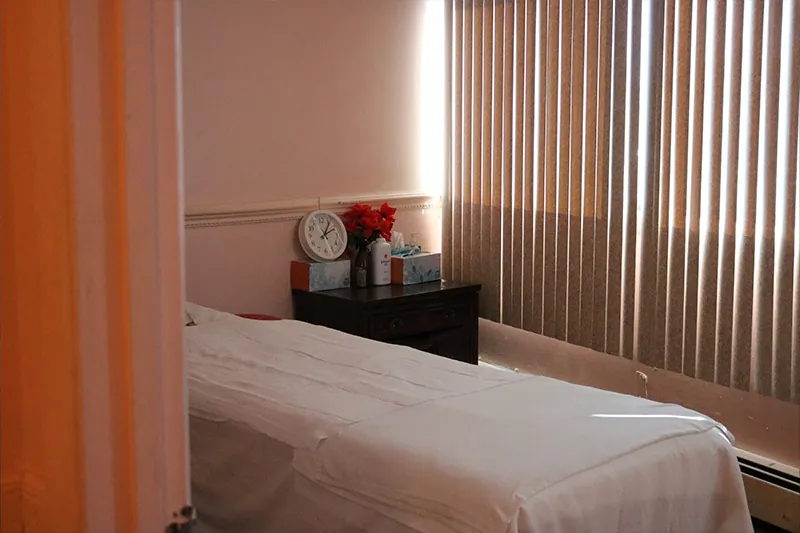
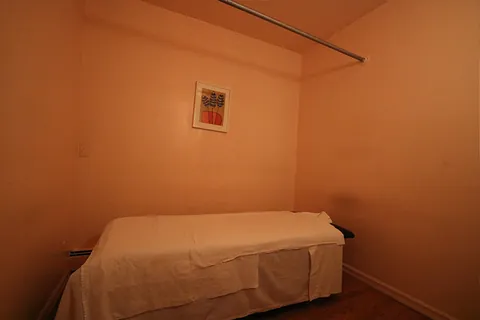
A cupping session at 205 Spa happens in a private treatment room with fresh linens, usually as part of a massage, and starts with a short conversation about sore spots, injuries and pressure. For cupping, pressure means suction strength, and the therapist starts gentle.
- Conversation: where it is tight, whether you have had cupping before, any skin or health conditions.
- Oil is applied where the cups will go, then the massage warms the area.
- Cups are placed on the back, shoulders or legs and the air is drawn out. You feel a firm pull.
- The cups either stay for 5 to 10 minutes or are slid along the muscle. The pull settles into a warm, heavy feeling within a minute.
- Cups are released, which is instant and painless, and the massage finishes with lighter strokes.
- Time to rest and rehydrate before you drive.
After the session the area feels warm and loose, and round marks appear within minutes on most people. They range from pink to deep purple and usually fade within 3 to 10 days. Mild tenderness for a day is normal. Our posts on whether cupping hurts and how long cupping marks last go deeper on both. The whole thing fits inside a 60 minute massage, and the services menu lists cupping alongside the massage styles it pairs with.
Risks, side effects and who should skip it
Dry cupping is low risk for healthy adults. The common side effects are the marks, mild soreness, and occasionally a light headed feeling if you stand up too fast. Rarer problems are skin irritation, small blisters if the suction is too strong or left too long, and burns, which only happen with fire cupping and not with pump or silicone cups.
Some people should skip cupping or ask a doctor first. Anyone with a medical condition, and anyone who is pregnant, should ask their doctor before booking.
- Blood thinners or a bleeding disorder, since suction draws blood into the tissue.
- Skin conditions, sunburn, open wounds, eczema or psoriasis where the cups would go.
- Varicose veins, blood clots or a history of clots in the area.
- Severe anemia, heart disease, or recent surgery.
- Children, older adults with thin or fragile skin, and anyone who scars easily.
Tell the front desk about any of these and the therapist will keep to massage or adjust the suction. For the full list, read is cupping safe and who should skip it.
Cupping in clinics versus cupping at a spa
Physical therapists, chiropractors and acupuncturists use cupping as one tool inside a treatment plan, usually alongside exercise, manual therapy or needling, and often for a diagnosed problem such as a disc issue or a sports injury under rehabilitation. In that setting the cups are placed to a plan and the progress is measured.
Spa cupping is maintenance. It is for stiff, sore, overworked muscle in an otherwise healthy body, and it is paired with massage rather than exercise. If a clinician has already given you cupping for an injury, spa sessions between visits can keep the area moving, but tell both the clinician and the front desk so nobody works on the same spot twice in one week. If you have never seen anyone about the pain and it has lasted more than a few weeks, start with a doctor, then come to the spa with their blessing.
Cupping therapy at 205 Spa in Saddle Brook
205 Spa is at 205 N 6th St in Saddle Brook, between Midland Avenue and Market Street, where Routes 80, 17 and 46 meet. We are open every day from 9 AM to 11 PM, walk ins are welcome, and there is free parking on site. Call 201-368-5244 to hold a room, or come in and ask the front desk to add cupping to any massage on the services menu.
Questions readers ask
Is cupping a massage?
No. Massage presses down into muscle; cupping pulls skin and fascia upward with suction. At a spa the two are usually combined in one session.
How long do the cups stay on?
Stationary cups stay for about 5 to 10 minutes. Sliding cups move along oiled skin for a few minutes per area.
Does cupping remove toxins?
No. The marks are blood drawn into the tissue by suction, not toxins. The liver and kidneys handle waste. Cupping moves fluid and eases stiff tissue.
Can I get cupping without a massage?
Ask the front desk. Most guests add it to a massage because warmed muscle responds better to the cups, but a short cupping only session is possible.