Steam Sauna vs Dry Sauna Before a Massage
Both rooms make you sweat, and from the outside they look like the same idea with different decor. Inside, a steam sauna and a dry sauna feel nothing alike. One is a warm fog you can barely see through. The other is a hot, dry box that smells of cedar. Which one you sit in before a massage changes how the massage goes.
The direct answer: a steam sauna runs cooler and far more humid than a dry sauna, and that wet heat is the better warm up before bodywork. It softens skin, loosens muscle without drying you out, and opens the airways, which is why 205 Spa has a steam sauna rather than a dry one. This guide covers how each room works, how they compare on temperature, humidity and time, which to use before a massage and for how long, and who should go easy on heat of either kind.
The short answer: wet heat before a massage
If you are choosing a heat room to sit in before a massage, choose steam. The humid air warms the body gently, the muscles let go without the sharp dryness of a sauna, and the skin comes out soft and ready for oil or an exfoliating cloth. A dry sauna is a fine thing on its own. It is simply a less useful warm up for the table.
The steam sauna at 205 Spa is one of the 14 services and the one most often used as a first step. People sit in the steam for ten or fifteen minutes, cool down with water, and then move on to the table shower or straight to the massage room. By the time the therapist starts, the tissue is already warm and the first ten minutes of the massage do more than they would on a cold back.
The rest of this guide explains why the two rooms feel so different and when a dry sauna would be the better call.
How a steam sauna works
A steam sauna, also called a steam room or wet sauna, is a sealed, tiled room fed by a steam generator. The generator boils water and pipes the vapor in until the air is close to fully saturated. A typical steam room sits around 110 to 120 degrees Fahrenheit with humidity near 100 percent.
That sounds mild next to a dry sauna, but humid air carries heat into the body much faster than dry air, and sweat cannot evaporate in saturated air to cool you down. So a steam room feels hotter than its thermometer says, and ten minutes in it is plenty for most people. The moisture is the point. It settles on the skin, softens it, and makes breathing feel easier, which is why people with a stuffy head often head for the steam first.
Everything in the room is tile or stone so it can be hosed down, and the air is thick enough that you often cannot see the far wall. It is close, warm and quiet.
How a dry sauna works
A dry sauna is a wood lined room heated by an electric or wood burning stove topped with stones. The air is hot and dry, usually 150 to 195 degrees Fahrenheit with humidity between 5 and 20 percent. Ladling a little water onto the stones sends up a brief burst of steam, but the room stays dry overall.
Because the air is dry, sweat evaporates quickly and the body can tolerate far higher temperatures than it could in steam. Sessions tend to run longer, often 15 to 20 minutes for regular users. The heat reaches deeper into the muscle over that time, and the dry air makes the experience feel more intense and more cleansing to some people. It also dries the skin and the airways, which is the trade off.
Dry saunas are the Finnish tradition and the one most gyms install. Steam rooms are the Turkish and Roman bath tradition and the one most massage spas install, for the reasons in the next section.
Steam vs dry sauna, side by side
The two rooms differ on nearly every measure that matters for a spa visit. Here is the comparison in one place, using typical figures for each type of room rather than any specific spa.
| Measure | Steam sauna | Dry sauna |
|---|---|---|
| Typical temperature | 110 to 120 F | 150 to 195 F |
| Humidity | Near 100 percent | 5 to 20 percent |
| Usual time per round | 10 to 15 minutes | 15 to 20 minutes |
| How it feels | Warm, wet, enveloping | Hot, dry, intense |
| Effect on skin | Softens and hydrates | Dries |
| Effect on breathing | Opens and soothes airways | Can feel harsh on the throat |
| Best used | Before a massage or table shower | After a workout or on its own |
On muscles, both rooms raise the temperature of the tissue and ease stiffness. Published research on sauna use points to short term relief of muscle soreness and a relaxation effect from either type, with more long term cardiovascular data on dry saunas simply because Finland has studied them for decades. For the purpose of warming up before bodywork, the difference in humidity matters more than the difference in temperature.
Which one before a massage, and for how long
Steam, for ten to fifteen minutes, then water and a short cool down. That order gives the massage a warm, pliable body to work on without leaving you dehydrated or lightheaded on the table. A dry sauna before a massage is not harmful, but the dried skin takes oil less well and the longer, hotter session leaves some people too drained to enjoy the bodywork.
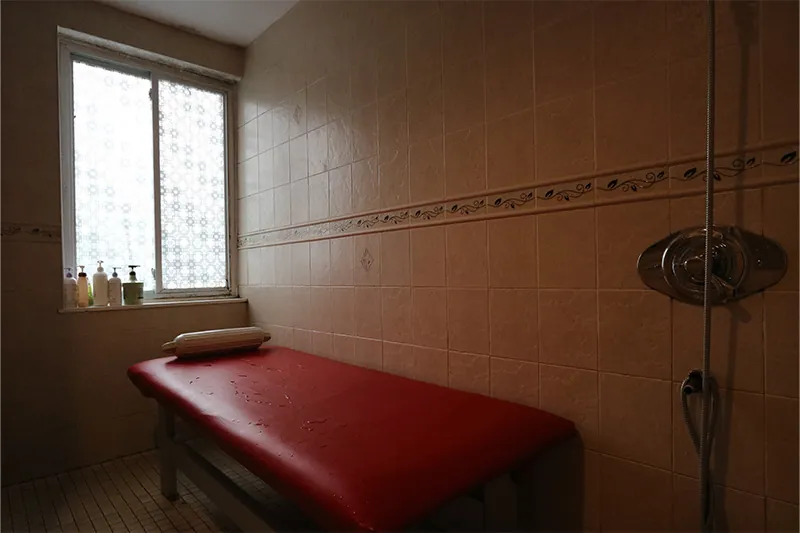
At 205 Spa the steam sauna pairs naturally with the house signature, the table shower. You rest on a padded table in a fully tiled private room while warm water falls over you and the therapist works an exfoliating cloth across your back, legs and shoulders. Steam first softens the skin so the cloth does more, and the shower rinses the sweat away before the massage. Here is the sequence most people follow.
- Steam sauna for 10 to 15 minutes. Leave sooner if you feel lightheaded.
- Drink water and sit for 5 minutes to let your heart rate settle.
- Table shower, which both rinses and exfoliates.
- Massage of your choice, from Swedish to deep tissue, with the tissue already warm.
- Rest and rehydrate afterward, which is built into every session.
If you want the table shower after the massage instead, that works too, and the post on sauna or steam room first walks through the order of operations in more detail.
Who should go easy on heat
Heat rooms of either kind are safe for most healthy adults in short rounds, but they put real demand on the heart and on fluid balance. As general guidance, ask a doctor before using a sauna or steam room if you have heart disease, uncontrolled high blood pressure, low blood pressure that makes you faint, or if you are pregnant.
Everyone should skip the heat after drinking alcohol, when dehydrated, when feverish or fighting an infection, and right after a very heavy meal. Leave the room at the first sign of dizziness, nausea or a pounding heart rather than pushing through. Ten minutes that leave you refreshed beat twenty that leave you shaky, and the massage afterward will be better for it.
Steam rooms add one more note: the warm, wet environment is harder on people with certain skin infections or open wounds, and a dry sauna is harder on people with very dry skin or asthma that flares in hot air. Tell the therapist about anything on this list in the short conversation at the start of the session.
Using the steam sauna at 205 Spa
205 Spa has a steam sauna, not a dry one, and it is used the way the sections above describe: as a warm up before the table shower and the massage. The spa is open every day from 9 AM to 11 PM, so a full sequence of steam, shower and an hour on the table fits after work for the people driving home on Route 80, Route 17 and Route 46, and before a late shift for the people heading the other way.
Every session starts with a short conversation about sore spots, injuries and pressure, which is where you say whether you want steam first. Private treatment rooms, fresh linens and no memberships keep the visit simple. The services page lists the steam sauna alongside the massages it pairs with, and the guide to infrared vs steam sauna covers the third kind of heat room people ask about.
Visit 205 Spa in Saddle Brook
205 Spa is at 205 N 6th St in Saddle Brook, between Midland Avenue and Market Street. It is open every day from 9 AM to 11 PM. Walk ins are welcome, or call 201-368-5244 to hold a room. There is free parking on site. See the full list of services to plan a sequence of steam, table shower and massage, or just ask the therapist when you arrive.
Questions readers ask
Is a steam room or a dry sauna better for sore muscles?
Both ease stiffness by warming the tissue. Steam does it at a lower temperature with less drying, which makes it the better warm up before a massage. A dry sauna suits a longer standalone session after a workout.
Can I shower between the steam sauna and the massage?
Yes, and many people do. At 205 Spa the table shower fills that role: warm water and an exfoliating cloth rinse off the sweat and soften the skin before the massage.
How long should I wait after steam before getting on the table?
About five minutes with a glass of water is enough for most people. The goal is a settled heart rate and a body that is warm rather than overheated.
Does a steam sauna help with a cold or sinus pressure?
Warm, moist air often makes a stuffy head feel clearer for a while, which is why people reach for steam when congested. It does not treat the cold, and anyone with a fever should skip heat rooms until it passes.