Is It Normal to Be Sore After a Massage?
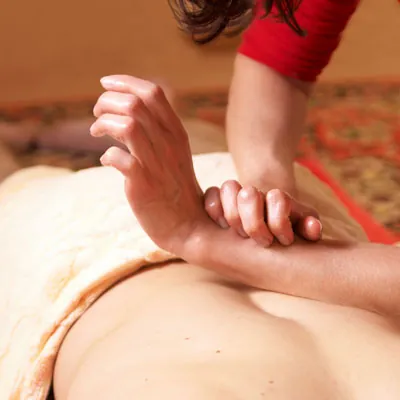
You walk out of the spa loose and half asleep, and the next morning your back feels like you did something to it. It is a common surprise, especially after a first massage or a first deep tissue session, and it makes people wonder whether the therapist went too hard or whether something is wrong.
The direct answer: mild soreness for a day or two after a massage is normal, and it is most common after deep pressure, a long session, or a long gap since the last one. It should feel like the ache after a good workout, not like an injury, and it should be fading by the second day. This guide covers why it happens, how long it should last by type of massage, what helps it pass, how to prevent it next time, and the few signs that mean it is not normal and worth a call to a doctor.
The short answer: yes, for a day or two
Soreness after a massage is the same kind of soreness you get after exercise. The therapist has worked muscle and connective tissue that was tight, moved fluid around, and put pressure on spots that had been clamped down for weeks. The tissue responds the way it does to any new load, with a mild inflammatory reaction that peaks in the first 24 hours and fades over the next day.
It is more likely after deep tissue, sports massage, shiatsu or cupping than after a Swedish massage, more likely if it has been months since your last session, and more likely if you walked in dehydrated or went straight from the table to the gym. None of those make it a problem. They just make it predictable.
At 205 Spa, a full body massage starts with a short conversation about sore spots, injuries and pressure, and that conversation is the main tool for keeping the next day comfortable. The sections below explain what to say in it.
Three reasons you feel sore
Almost all post massage soreness comes down to one of three causes, and often two of them together.
Deep pressure on tight tissue
Muscle that has been tight for a long time does not let go without some protest. Deep strokes, elbow work and sustained pressure on a knot stretch and compress fibers that have been held short, and the body treats that like a workout. The result is the dull ache that shows up the next morning, usually in exactly the spots that were most tender on the table. The post on what deep tissue massage is explains why that style in particular tends to leave an echo.
A first massage, or a long gap
Tissue that is never worked is the most reactive. First timers and people who have not had a massage in a year often feel more the next day than regulars do, even from a moderate session. The second and third sessions tend to leave far less, which is part of why people who go every few weeks rarely think about soreness at all.
Dehydration and tension you walked in with
Massage moves fluid through tissue, and dehydrated muscle has less to work with. People who come in after a day of coffee and no water, or after a stressful week of holding their shoulders up around their ears, tend to feel more the next day. Neither is the therapist's doing, and both are easy to fix before the next visit.
How long it should last, by type of massage
The style of massage predicts the soreness fairly well. Here is the usual pattern for the services at 205 Spa, with the caution that everyone is different and a first session of anything can run toward the higher end.
| Massage type | Typical soreness | How long it lasts |
|---|---|---|
| Swedish | None to mild | A few hours, if any |
| Hot stone | None to mild | A few hours |
| Aromatherapy | None to mild | A few hours |
| Shiatsu | Mild | Up to 24 hours |
| Thai | Mild, mostly from the stretching | 24 hours |
| Sports | Mild to moderate | 24 to 48 hours |
| Deep tissue | Mild to moderate | 24 to 48 hours |
| Cupping | Tenderness under the marks | 1 to 2 days |
Across all of them, 48 hours is the usual outer limit for ordinary soreness, and 72 hours is the point at which it stops being ordinary. By the morning of the second day the ache should be clearly fading. If it is holding steady or getting worse, skip ahead to the section on when soreness is not normal.
Five ways to get relief
Post massage soreness responds to the same things that help a workout ache. None of them are complicated, and the first one is built into every session at 205 Spa.
- Drink water, starting right after the session. Every visit ends with time to rest and rehydrate, and that is the single most useful habit. Keep drinking through the evening.
- Use warmth. A warm shower, a bath or a heating pad on low for 15 to 20 minutes eases the ache. Save ice for sharp pain or swelling, which should not be happening after a massage.
- Keep moving gently. A short walk and some easy stretching keep the worked tissue from tightening back up. Lying still all day tends to make it feel worse.
- Try an Epsom salt bath. The evidence for magnesium absorbing through the skin is thin, but a 20 minute warm soak feels good and does no harm, and plenty of people swear by it.
- Sleep. Most of the repair happens overnight. An early night after a deep session is a better recovery tool than anything in a bottle.
Skip the hard workout for a day. Training on freshly worked muscle adds a second load on top of the first, and that is the most common way a mild ache turns into a rough couple of days.
How to prevent it next time
Most soreness can be dialed down before the session starts, and the lever is the conversation at the beginning. Say how much pressure you want, say where you are tender, and say if it has been a long time since your last massage. The therapists at 205 Spa are licensed and cross trained in several modalities, and they would rather match the pressure to you than guess.
A few other habits make a difference.
- Speak up during the session. Pressure can be changed at any point. Deep should feel intense and satisfying, never sharp. If you are holding your breath, it is too much.
- Drink water before you arrive. A glass or two in the hour before helps the tissue respond.
- Start lighter if you are new. A Swedish massage for a first visit, then deep tissue once the body knows what to expect, is a sensible order.
- Choose a sensible length. Ninety minutes of deep work on a first visit is a lot. The guide to how long a massage should be helps with that choice.
- Leave the gym for tomorrow. Massage and a heavy workout on the same day stack the load.
- Come more often. Regulars rarely get sore. Every few weeks keeps the tissue from building up the kind of tension that protests when it is finally worked.
When soreness is not normal
Ordinary soreness is dull, spread across the worked area, worst the first morning and fading by the second day. A few things fall outside that pattern, and they are worth a call to a doctor rather than another massage.
- Sharp, stabbing or shooting pain, especially pain that travels down an arm or leg
- Numbness, tingling or weakness anywhere
- Bruising from a massage, as opposed to the expected round marks from cupping
- Soreness that is still getting worse after 48 hours, or still present after 72
- Swelling, heat or redness in one spot
- Fever, feeling unwell, or dizziness that does not pass with water and rest
- Pain in a joint rather than in muscle
These are rare, and most trace back to pressure that was too deep for a particular body, or to an underlying problem the massage happened to stir up. Either way, the next step is a doctor, not a hotter shower. Tell the spa too. Licensed therapists want to know, and the information changes how the next session is planned.
Getting the pressure right at 205 Spa
The simplest way to avoid a sore next day is to get the pressure right on the table, and 205 Spa builds that into every visit. The session opens with the conversation about sore spots, injuries and pressure, the pressure can be changed at any point, and the session closes with time to rest and rehydrate. Oil based sessions undress to comfort with draping, so you can relax enough to actually say what you need.
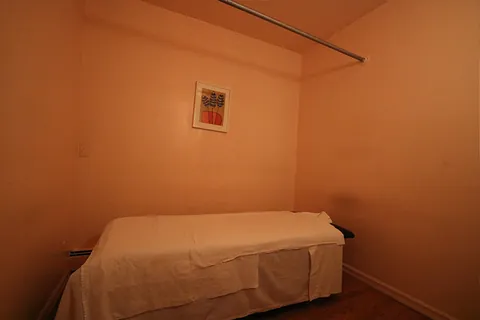
The hours help too. The spa is open every day from 9 AM to 11 PM, so a massage can land in the evening with a night of sleep right after it, which is the best recovery window there is. A deep session at 9 PM followed by water and bed usually means waking up loose rather than sore. The full body massage page covers the styles and how to choose between them, and the therapist will steer you toward the right pressure for your first visit or your fiftieth.
Visit 205 Spa in Saddle Brook
205 Spa is at 205 N 6th St in Saddle Brook, between Midland Avenue and Market Street, near where Route 80, Route 17 and Route 46 meet. It is open every day from 9 AM to 11 PM. Walk ins are welcome, or call 201-368-5244 to hold a room. There is free parking on site. Start with the full body massage page, then tell the therapist how much pressure you want when you arrive.
Questions readers ask
Should I get another massage while I am still sore from the last one?
Wait until the soreness has cleared, usually two days. Working tissue that is still recovering adds load without adding benefit. Regulars who go every few weeks rarely run into this.
Is it normal to feel tired or emotional after a massage?
Yes. Deep relaxation, a drop in stress hormones and the body moving fluid around can leave people sleepy, a little weepy or oddly light for the evening. It passes with water, food and rest.
Can I take a pain reliever for soreness after a massage?
Ordinary soreness usually does not need one, and warmth, water and movement handle it. If you feel you need medication to get through the day, the soreness is beyond normal and worth a call to a doctor.
Does feeling sore mean the massage worked?
Not really. Soreness means the tissue was worked hard, not that it was worked well. A good massage can leave you with no soreness at all, and the goal is to feel looser the next day, not bruised.