What Sports Massage Is, for Runners, Lifters and Weekend Leagues
Sports massage is massage planned around physical activity. It uses deep strokes, compression, stretching and trigger point work on the muscles your sport or your job loads hardest, timed to where you are in a training week. It is not reserved for professionals. At 205 Spa in Saddle Brook the people who book it are runners training for a fall half marathon, lifters with tight hips, Sunday league players, and warehouse and hospital staff whose work is a sport in everything but name.
The direct answer: sports massage differs from a regular massage in its purpose, not its intensity. The goal is to keep working muscle moving well, recover faster from hard efforts and catch tightness before it turns into an injury. This guide covers the three types, the techniques, what the research says, the myths, who gives it and what a session looks like.
What sports massage is, and what sets it apart
Sports massage is a set of massage techniques applied with a training goal in mind. The therapist asks what you do, how often, and what is coming up, then builds the session around the muscles that activity uses. A runner gets calves, hamstrings, hips and the band along the outside of the thigh. A lifter gets the upper back, shoulders, forearms and glutes. A nurse on twelve hour shifts gets feet, calves and low back, because standing is a sport too.
Three things set it apart from a general massage. It is targeted to the muscles that work, not spread evenly across the body. It includes movement, since the therapist stretches limbs and asks you to push against light resistance. And it is timed, with the pressure and pace changing depending on whether an event is ahead or behind you.
Sports massage vs deep tissue and the rest
Deep tissue is the closest relative: slow, layered pressure on chronic knots. Sports massage borrows those strokes and adds stretching, faster work and a schedule. Swedish is lighter and for relaxation. Thai is clothed stretching without oil and overlaps with the mobility side of sports work. For a full comparison read sports massage vs deep tissue. The services menu lists all 14 options.
Three types: pre event, post event and maintenance
Sports massage comes in three timings, and each one feels different on the table. Tell the front desk which one you are there for, because the therapist will change the pressure and the pace accordingly.
| Type | When | Pressure and pace | Goal |
|---|---|---|---|
| Pre event | 1 to 3 days before a race or game, or the same morning for a short session | Light to medium, brisk | Warm muscle, loosen without fatiguing it |
| Post event | Within 1 to 2 days after a hard effort | Light to medium, flushing strokes | Reduce soreness, restore range of motion |
| Maintenance | Every 2 to 4 weeks through a training block | Medium to deep, slower, with stretching | Address tight spots before they become problems |
Pre event work is the one people get wrong. A deep session the day before a race can leave the legs feeling heavy. Keep it light and short, or move it back three days. Post event work is gentle because the muscle is already inflamed from the effort; deep pressure there adds damage rather than removing it. Maintenance is where the real work happens, and it is the type most guests at 205 Spa book.
Techniques used in sports massage
A sports session draws on six techniques, chosen by the type and the muscle. The therapist will use several in one hour.
- Effleurage: long gliding strokes with oil to warm tissue and move fluid. Faster before an event, slower after.
- Petrissage: kneading and lifting the muscle to loosen it and increase blood flow.
- Compression: rhythmic pressing with the palm or fist, pumping blood through a muscle without oil. Common on the legs and glutes.
- Deep tissue strokes: slow stripping along a muscle fiber and cross fiber friction on adhesions, used in maintenance sessions.
- Trigger point work: sustained pressure on small, irritable knots that refer pain elsewhere, held until they ease.
- Assisted stretching: the therapist moves a limb to lengthen a muscle, sometimes asking you to contract against light resistance for a few seconds and then relax into a deeper stretch. This is the technique that separates sports massage from a firm Swedish.
Some therapists also use myofascial release, slow stretching of the connective tissue with little oil, and work along the lymph pathways to move fluid after a long event. At 205 Spa the therapists are cross trained in several modalities, so a sports session can pull in cupping for a stubborn area or hot stones to warm muscle before deeper work, if you ask.
The science: what massage does to working muscle
The honest summary is that sports massage changes how muscle feels and moves more reliably than it changes what is happening inside the cells. Here is what the research supports, and what it does not.
Circulation. Massage increases local blood flow to the skin and surface muscle during and shortly after the session. Studies suggest the effect on deep muscle blood flow is smaller than once claimed, but the warming effect on tissue is real and is why muscles feel looser afterward.
Soreness. This is the strongest finding. Published reviews of post exercise massage, including a 2017 review in Frontiers in Physiology, found massage reduced delayed onset muscle soreness and perceived fatigue in the days after hard exercise compared with rest alone. The effect on measured performance was small.
The nervous system. Sustained pressure and stretching appear to lower muscle tone through the nervous system, which is why a tight muscle feels longer after a session even though its length has not changed. Many people find this is the part that lasts.
Lactic acid. The old claim that massage flushes lactic acid is not supported. Lactate clears on its own within an hour of exercise. What massage moves is swelling and stiffness, not lactate.
Lymphatic drainage. Light, directional strokes can help move fluid after a long event, which is why post event work is gentle. Anyone with a medical condition, or who is pregnant, should ask their doctor before any massage.
Benefits, injury recovery and rehabilitation
The benefits people come back for are faster recovery between hard sessions, better range of motion, less day to day stiffness, and catching tight spots early. Studies suggest the recovery and soreness benefits are the best supported. Improved flexibility is consistent in the short term. Injury prevention is plausible but hard to prove, since it depends on a therapist noticing a tightening hamstring before it tears.
After an injury
Sports massage can support rehabilitation once the acute phase has passed and a doctor or physical therapist has cleared hands on work. In that window it may help restore range of motion, reduce the tightness that builds around an injured area while it is protected, and keep scar tissue flexible as it forms. It does not replace physical therapy and it does not treat the injury itself. A fresh sprain, a suspected tear or any sharp, new pain needs a doctor first, not a massage table. Once you are cleared, tell the front desk what happened and when, and the therapist will work around the area and build up as it heals.
For shift workers
The same benefits apply to people whose work is physical. Twelve hours on hospital floors around Hackensack, a warehouse shift, a day behind the wheel on Route 80: the calves, feet, low back and shoulders take the load an athlete's legs would. Many people in those jobs find a maintenance session every two to four weeks keeps them off the painkillers. The sports massage page covers the session itself.
Fitting sports massage into a training week
Sports massage works best as a scheduled part of training, not a rescue after something goes wrong. Here is a simple structure for a typical training block.
- Maintenance every 2 to 4 weeks during the block, medium to deep pressure with stretching, on the muscles your sport uses most.
- Light pre event session 1 to 3 days before a race or game. Short, brisk, no deep work.
- Post event session within 48 hours after a hard effort. Gentle flushing strokes, no trigger point work.
- Back to maintenance once soreness has passed, usually a week after the event.
- Weekly for 2 to 3 weeks if a specific area is tightening, then space out again.
Between sessions, the basics still matter more than the massage: sleep, water, a proper warm up before training and a cool down after, and stretching the areas the therapist flagged. Massage supports those habits; it does not replace them. Timing around 205 Spa's hours is easy, since the spa is open every day from 9 AM to 11 PM, so a post run session on a Sunday evening or a pre race session after work on a Thursday both fit.
What to expect at a session at 205 Spa
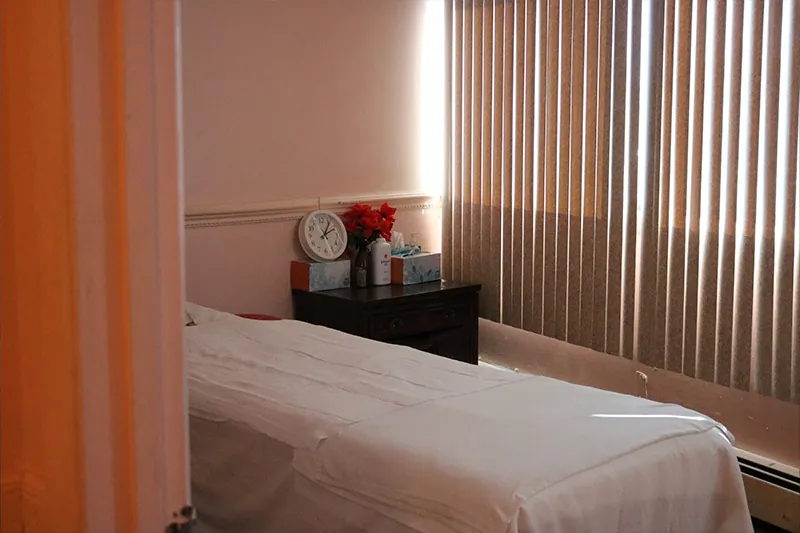
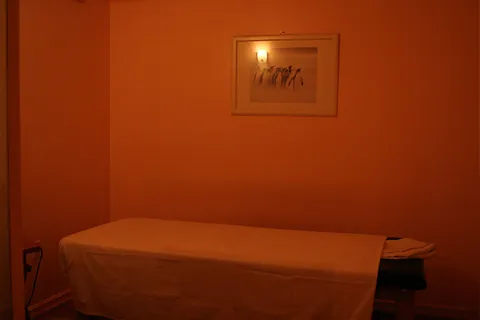
A sports massage at 205 Spa starts with a short conversation about sore spots, injuries and the pressure you like, plus two extra questions: what you train for and when the next hard effort is. That sets the type. You undress to your comfort level in a private treatment room with fresh linens, and you are draped throughout. The session mixes oil based strokes with dry compression and stretching, so expect the therapist to move your legs and arms and ask you to push lightly at times.
- Conversation: sport, schedule, where it is tight, what to avoid.
- Warm up strokes on the target muscles with oil.
- Deeper work and trigger points in a maintenance session, or flushing strokes in a post event one.
- Assisted stretching of hips, hamstrings, calves or shoulders, with pressure check ins.
- Lighter closing strokes, then time to rest and rehydrate.
Sixty minutes covers the legs and back for most people. Thirty minutes is enough for one area such as calves or shoulders. Ninety minutes suits a full body maintenance session for someone training hard. Pricing is by phone or in person. Mild soreness for a day after a maintenance session is normal; after pre or post event work there should be very little. The table shower can be added after to rinse off the oil, and the steam sauna before to warm the muscle.
Myths, and who is qualified to give sports massage
Four myths come up at the front desk often enough to answer here.
- It is only for athletes. No. It is for anyone whose muscles work hard on a schedule, including people who stand, lift or drive for a living.
- It has to hurt to work. No. Maintenance sessions go deep, but sharp pain means the therapist has gone past useful pressure, and pre and post event work should be gentle.
- It replaces warming up and cooling down. No. A pre event session loosens muscle, but it does not raise your heart rate or rehearse the movement. Warm up anyway.
- It flushes toxins. No. Massage moves fluid and eases stiffness. The liver and kidneys handle the rest.
Who gives it
In New Jersey, massage therapists are licensed by a state board, which requires formal training hours and a passing score on a licensing exam before anyone can work on the public. Sports massage on top of that is a matter of training and experience rather than a separate license, so ask whether the therapist has worked with your kind of activity. At 205 Spa the therapists are licensed and cross trained in several modalities, with over ten years behind the spa. A good sign at any spa is a therapist who asks about your training before touching the table.
Sports massage at 205 Spa in Saddle Brook
205 Spa is at 205 N 6th St in Saddle Brook, between Midland Avenue and Market Street, where Routes 80, 17 and 46 meet. We are open every day from 9 AM to 11 PM, walk ins are welcome, and there is free parking on site. Call 201-368-5244 to hold a room, or come in after a run or a shift and tell the front desk what you train for. Sports massage is on the services menu alongside deep tissue, cupping and the table shower.
Questions readers ask
How soon before a race should I get a sports massage?
One to three days before, kept light and short. A deep session the day before can leave the legs feeling heavy.
Will sports massage make me sore?
A maintenance session can leave mild soreness for a day. Pre and post event sessions are lighter and should not.
Does sports massage include stretching?
Yes. Assisted stretching is one of the techniques that sets it apart from a firm Swedish massage. The therapist moves the limb and may ask you to push lightly against resistance.
Can I get sports massage for a job that keeps me on my feet?
Yes. Standing twelve hours loads the calves, feet and low back the way a sport does, and the session is built the same way.
Should I get a massage on a fresh injury?
No. See a doctor first. Once you are cleared, sports massage can help with range of motion and the tightness that builds around the area.