Foot Reflexology for Nurses and Shift Workers Near Hackensack
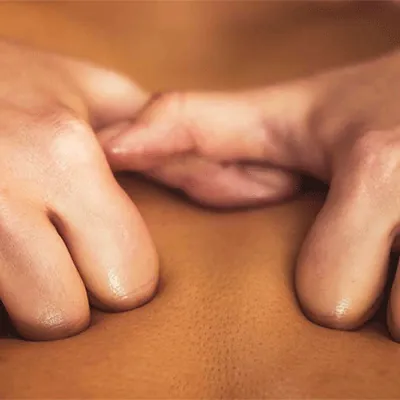
Twelve hours on a hospital floor, a warehouse shift, a double behind a counter in Paramus. By the end, the feet are the part of the body that has done the most and complained the loudest. A foot rub helps. Reflexology is a foot rub with a map, and for people who stand for a living it tends to be the service they come back for.
The direct answer: foot reflexology is firm, specific pressure on points across the soles, toes and heels that correspond, in the traditional model, to the rest of the body. It feels like a deep foot massage with a plan behind it, and most people leave with lighter legs and a quieter head. This guide covers how it differs from a plain foot rub, why it suits people who stand all day, what a session at 205 Spa looks like, and how to fit one around a shift that ends at 7 PM or 7 AM.
What foot reflexology is, and how it differs from a foot massage
A foot massage works the muscles of the foot and calf to relax them. Reflexology works a set of points on the foot in a specific order, using the thumbs and knuckles, with the idea that each point maps to an organ, gland or part of the body.
The traditional model divides the body into ten vertical zones that run down to the toes, and reflexologists work the foot zone by zone. Modern research has not confirmed that pressing the arch does anything to the stomach, and 205 Spa does not claim otherwise. What is well supported is simpler: firm, sustained pressure on the feet relaxes the nervous system, eases foot and calf tension, and feels very good after a long day on hard floors.
In practice a foot reflexology session covers more ground than a foot rub. The therapist spends time on each toe, the ball of the foot, the arch, the heel and the ankle, and the pressure is deeper and more pointed than the broad strokes of a massage. If you want both hands and feet worked, the hand and foot reflexology combo adds the same approach to the palms and fingers.
Why it suits people who stand for twelve hours
Standing still is harder on the feet than walking. Nurses, techs, line cooks, warehouse staff and retail workers spend long stretches on concrete or tile with little movement, and the calf muscles that pump blood back up the legs barely get used. By the end of a shift the feet are swollen, the arches ache and the lower back often joins in.
Reflexology addresses the feet directly, which is where the problem starts. Sustained pressure on the soles and work around the ankles encourages circulation in exactly the tissue that has been pooling fluid all day. Many people notice the swelling eases and the feet feel lighter by the time they put their shoes back on. Published research on reflexology is mixed on bigger claims, but studies on nurses in particular have reported lower fatigue and better sleep after regular sessions, which lines up with what shift workers say when they come back.
The other effect is harder to measure. After a shift spent answering call lights or customers, having someone else take over for a while and not need anything from you is its own kind of rest. The private treatment rooms at 205 Spa are quiet, the linens are fresh, and the session ends with time to sit and rehydrate before you drive home.
What a session looks like at 205 Spa
A reflexology session starts the same way every session at 205 Spa does, with a short conversation about sore spots, injuries and how much pressure you want. Say whether the arches, heels or balls of the feet hurt most, and mention anything like plantar fasciitis or a recent sprain. You stay clothed apart from socks and shoes.
Reflexology can be booked on its own or as part of a combo. The options that involve the feet are listed below.
| Service | What it covers | Structure |
|---|---|---|
| Foot reflexology | Pressure point work on both feet, toes to ankles | Booked on its own, time set when you call |
| Hand and foot reflexology combo | The same approach on hands and feet | One session covering both |
| Body and Foot combo | Bodywork for the back and shoulders, then the feet | 30 minute body session plus 30 minutes of foot reflexology |
The Body and Foot combo is the one shift workers tend to pick, since standing all day tightens the lower back as much as the feet. The packages page lists it alongside the Massage and Facial combo and the Couples Spa Package.
Fitting a session around a shift
Hospital shifts in Hackensack and Passaic tend to run 7 to 7, which rules out most spas before you have even changed out of scrubs. 205 Spa is open every day from 9 AM to 11 PM, so both the day shift and the night shift can get a session on the way home. Here is how it tends to work in practice.
- Day shift, off at 7 PM. Drive over, walk in by 7:30 PM, and you are back in the car by 9 PM with three hours of opening time to spare.
- Night shift, off at 7 AM. The spa opens at 9 AM. A session at 9 or 9:30 AM sends you home to sleep with the feet already settled instead of throbbing.
- Evening shift, off at 11 PM. Same day does not work, but a session the next morning or on a day off does, and the hours are the same seven days a week.
- Days off. Walk ins are welcome at any hour the spa is open, and calling ahead holds a room if you want to be sure.
For anyone not driving, NJ Transit routes 707 and 712 stop along Market Street, including at Market Street and Midland Avenue, and routes 164 and 707 stop along Saddle River Road. There is free parking on site for those who do drive. The post on late night massage in Bergen County goes into why the 11 PM close matters for people on odd hours.
What it feels like, and what to expect after
Reflexology pressure is firm and specific. Some points on the arch and the heel can feel tender when pressed, a sharp spot that eases as the therapist holds it. That is normal, and it is the signal to ask for lighter pressure if it tips from satisfying into painful. The whole session is done with you lying or reclining, and most people are half asleep by the second foot.
Afterward the feet usually feel warm, lighter and looser. Some people feel sleepy and some feel energized. Drink water. The rest period built into the end of every session at 205 Spa is there for exactly that.
Between visits: three things that help tired feet
Reflexology works best alongside a few small habits, and none of them cost anything. Roll each foot over a tennis ball or a frozen water bottle for two or three minutes after a shift, pressing into the arch. Put the feet up above heart level for ten minutes when you get home. Rotate between two pairs of work shoes so neither pair is worn flat.
If arch or heel pain is sharp first thing in the morning, lasts more than a few weeks, or comes with numbness or swelling in one leg only, see a doctor. Reflexology eases tired feet. It does not diagnose or treat plantar fasciitis, a stress fracture or a circulation problem, and a licensed therapist will tell you the same. The rest of the services at 205 Spa, from Swedish massage to the steam sauna, cover the parts of the body that a long shift wears down above the ankles.
Visit 205 Spa in Saddle Brook
205 Spa is at 205 N 6th St in Saddle Brook, between Midland Avenue and Market Street. It is open every day from 9 AM to 11 PM. Walk ins are welcome, or call 201-368-5244 to hold a room on your way out of the hospital. There is free parking on site. The services page lists foot reflexology, the hand and foot combo and the Body and Foot combo, and the therapist will set the pressure to your feet.
Questions readers ask
Can I get reflexology in my scrubs?
Yes. Reflexology only needs bare feet, so you stay dressed. Many nurses come straight from a shift. If you add bodywork through the Body and Foot combo, the body portion is done with draping.
Is reflexology safe if I have plantar fasciitis?
Usually, with lighter pressure on the heel and arch, but mention it at check in. Sharp heel pain that is worst in the morning or lasts for weeks should be checked by a doctor rather than treated at a spa.
Does reflexology help with swelling in the feet and ankles?
Many people notice their feet feel lighter after a session, since the pressure and ankle work encourage circulation. Swelling in one leg only, or swelling that does not go down overnight, is a reason to see a doctor.
How often should a shift worker get foot reflexology?
During a heavy run of shifts, every week or two keeps arch pain and swelling from building. Outside of that, once a month is a common maintenance rhythm. There is no membership, so you set the pace.