What Shiatsu Massage Is: Pressure Points, No Oil, Clothes On
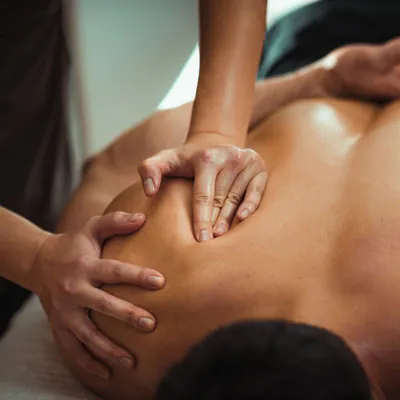
Shiatsu is a Japanese style of massage in which the therapist uses thumbs, palms and sometimes elbows to press specific points along the body, with you fully clothed and no oil involved. The word means finger pressure. It feels less like being rubbed and more like being leaned on, slowly, in the right places.
The direct answer: shiatsu is a clothed, oil free pressure point massage that works the whole body through sustained pressure and gentle stretches rather than gliding strokes. At 205 Spa in Saddle Brook it is one of the 14 services on the menu and the one to pick if you want bodywork without undressing. This guide covers where it comes from, how a session runs, the techniques, what research suggests about benefits, who should check with a doctor first, and how it compares with deep tissue and Thai massage.
What shiatsu means and where it comes from
Shiatsu comes from two Japanese words: shi, meaning finger, and atsu, meaning pressure. It developed in Japan in the early twentieth century out of older Chinese bodywork, and it borrows the idea of meridians, the lines along which traditional East Asian medicine says energy moves, from acupuncture. Where acupuncture uses needles on those points, shiatsu uses thumbs and palms.
Japan formally recognized shiatsu as a distinct therapy in the middle of the twentieth century, and it spread to Europe and the United States from there. In practice today you will find two flavors. Traditional shiatsu follows the meridian map closely. Modern spa shiatsu keeps the pressure points and the clothed, oil free format but talks about muscles and tension more than energy. At 205 Spa the session is the practical kind: steady pressure where you are tight, held long enough to let go.
Clothed, no oil: how the session differs
The biggest difference from a Swedish or deep tissue massage is that you stay dressed. There is no oil, so there is nothing to undress for. Wear loose, soft clothing, the kind you would wear to stretch in, and leave jeans and belts at home. The pressure goes through the fabric, so thin layers work better than a thick sweatshirt.
The second difference is how the pressure is applied. Oil massage glides along the muscle. Shiatsu stays in one place. The therapist leans body weight into a thumb or palm, holds it for several seconds, releases, and moves to the next point. There is no friction and no sliding, which is why people who dislike the feel of oil, or who come in on a lunch break and need to go straight back, choose it. The session ends with you already dressed and ready to walk out.
What to expect at 205 Spa
A shiatsu session at 205 Spa happens in a private treatment room with fresh linens and starts with a short conversation about sore spots, injuries and the pressure you like. You lie on the table in your clothes, usually face down first, and the therapist begins at the back.
- Conversation: where it hurts, anything to avoid, how firm you want it.
- Back and shoulders, face down: palm pressure along both sides of the spine, then thumb work on the tight points.
- Hips and legs: pressure down the back of the legs, with slow holds on the calves.
- Turn over: arms, hands, the front of the legs and the feet, with some gentle limb stretches.
- Neck and head to finish, with light pressure at the base of the skull.
- Time to rest and rehydrate before you drive.
Tell the therapist at any point if a hold is too deep. Pressure is adjusted on the spot. The full body massage page explains how every session at the spa is set up.
Techniques: thumb and palm pressure along the meridians
Shiatsu uses a short list of techniques, repeated with care. The therapist's body weight does the work, not arm strength, which is why a good shiatsu feels heavy and calm rather than forceful.
- Thumb pressure: the signature move. The pad of the thumb presses a point, holds for three to ten seconds, and releases.
- Palm pressure: broader, used along the back and legs to warm an area before thumb work.
- Elbow and knee pressure: for large muscles such as the glutes and hamstrings, when you ask for more depth.
- Stretches and rotations: gentle limb movements to open the hips and shoulders.
- Meridian lines: pressure follows lines that run along the back, the backs of the legs and the arms, the same lines acupuncture maps.
You will not get kneading, tapping or long gliding strokes. If those are what you picture when you hear the word massage, shiatsu will feel unfamiliar for the first ten minutes and then very good.
Benefits, with what the research says
The benefits people report most are less neck and shoulder tension, a calmer state of mind and better sleep that night. The evidence is modest but real. A 2011 systematic review in BMC Complementary and Alternative Medicine found early evidence that shiatsu may help with relaxation, sleep and some types of pain, while calling for larger studies. Broader massage research suggests that sustained pressure can lower perceived stress and ease muscle tension for many people.
Claims that shiatsu cures digestive problems, boosts immunity or treats headaches outright go beyond what the studies show. What is fair to say is that many people find it eases tension headaches that start in the neck, helps them sleep, and leaves them feeling steadier. Treat it as maintenance for a body that sits in traffic or stands at a counter, not as medicine.
Who it helps, and who should check with a doctor first
Shiatsu helps people with desk and driving tension, people who do not want oil or undressing, and people who find deep tissue too intense but Swedish too light. Commuters off Route 80 and nurses after a shift are the typical guests.
A few people should ask their doctor before booking, the same as for any massage: anyone who is pregnant, anyone with osteoporosis or a recent fracture, blood clots or blood thinners, a heart condition, cancer under treatment, or skin that is inflamed where the pressure would go. Tell the front desk about recent surgery or injuries, and the therapist will avoid those areas or suggest a lighter style from the services menu.
How often, and aftercare
For general tension, many people find every two to four weeks keeps them level. For a flare of neck or back tightness, weekly for two or three weeks and then spacing out is a common rhythm. Once a month is a reasonable maintenance pace for a healthy adult, and there is no benefit in pushing harder than your body asks for.
Aftercare after shiatsu
Drink water, move gently and give it a night. There is no oil to rinse, so you can go straight back to work or the car. Some people feel a little tender at the points that were held, which usually passes within a day. A short walk the same evening helps. Avoid a hard workout for the rest of the day, eat normally, and if you had the session for sleep, keep the evening quiet so it has a chance to work.
Shiatsu vs deep tissue vs Thai massage
Shiatsu, deep tissue and Thai all go deeper than Swedish, but they get there differently. The table shows the practical differences.
| Factor | Shiatsu | Deep tissue | Thai |
|---|---|---|---|
| Clothing | Clothed | Undressed to comfort, draped | Clothed |
| Oil | None | Yes | None |
| Main technique | Held thumb and palm pressure | Slow, deep gliding strokes | Assisted stretches and compression |
| Feels like | Being leaned on | Being worked | Being stretched |
| Best for | Tension without undressing | Chronic knots | Stiffness and range of motion |
If you want the deeper read on the oil based option, see what deep tissue massage is. If stretching is the goal, the Thai massage page covers that session.
Shiatsu at 205 Spa in Saddle Brook
205 Spa is at 205 N 6th St in Saddle Brook, between Midland Avenue and Market Street, where Routes 80, 17 and 46 meet. We are open every day from 9 AM to 11 PM, walk ins are welcome, and there is free parking on site. Come in dressed to stretch, or call 201-368-5244 to hold a room, and pick shiatsu from the services menu.
Questions readers ask
What should I wear for shiatsu?
Loose, soft clothing with thin layers, such as a T shirt and sweatpants. Avoid jeans, belts and thick hoodies, since the pressure goes through the fabric.
Does shiatsu hurt?
It should feel like firm, steady pressure, not pain. Some points are tender for a few seconds. Tell the therapist and the hold is lightened.
Can I get shiatsu on a lunch break?
Yes. There is no oil and no undressing, so you walk out as you walked in. A shorter session fits an hour away from work.
Is shiatsu good for neck and shoulder tension?
Many people find it is, since the held pressure targets the exact points that tighten from driving and desk work. Results vary, and chronic pain should be checked by a doctor.