Sports Massage vs Deep Tissue: Recovery vs Chronic Knots
Sports massage and deep tissue massage overlap so much that people use the names interchangeably, and some spas list one when they mean the other. They share techniques, both go deeper than Swedish, and both leave you a little sore the next day. The difference is the goal, and the goal changes what the therapist does with the hour.
The direct answer: sports massage is organized around activity, preparing muscles for it and helping them recover from it, with stretching and brisker work on the muscles your sport uses. Deep tissue is organized around chronic tension, slow and layered work on knots that have been there for months. At 205 Spa in Saddle Brook both are on the menu, and this guide explains how to tell which one you need, what each session looks like, and when to ask for a mix.
The short answer: timing versus tension
Book sports massage if the problem is tied to something you do: a race coming up, a hard week of lifting, tight calves after Sunday league, a hamstring that is not quite right. Book deep tissue if the problem is tied to something you are: a stiff upper back from years at a desk, a low back that aches every evening, shoulders that never drop.
Put another way, sports massage asks what you are training for and works backward from that date. Deep tissue asks where it hurts and works down through the layers until it stops. Both are done by the same cross trained therapists at 205 Spa, and both start with the same conversation about sore spots, injuries and pressure. The full body massage page covers how every session is set up.
Definitions and core differences
Deep tissue massage works the deeper layers of muscle and the fascia around them with slow strokes and sustained pressure on specific tight spots. Its purpose is to release chronic tension. Its audience is anyone with knots that do not go away on their own, whether or not they exercise.
Sports massage is a toolkit applied around physical activity. It borrows deep tissue strokes, adds stretching, compression and faster work to warm or flush muscle, and adjusts all of it to where you are in a training cycle. Its purpose is performance and recovery. Its audience is people who run, lift, play, or do physical work, from marathoners to warehouse staff. Three things set them apart in practice.
- Pace. Deep tissue is slow. Sports massage is brisker, especially before activity.
- Scope. Deep tissue goes where the knots are. Sports massage goes where your sport loads the body.
- Timing. Deep tissue is booked when something hurts. Sports massage is booked around a schedule: before, after or between efforts.
Techniques and methods, side by side
The two share a core of deep strokes and differ in what gets added. Here is what the hands actually do in each.
Deep tissue techniques
- Stripping: slow, deep strokes along a muscle with forearm, knuckles or thumbs.
- Cross fiber friction: short strokes across the grain to loosen adhesions.
- Sustained pressure: holding a knot until it softens, usually with you breathing out.
- Fascia release: slow stretching of connective tissue with little oil.
Sports massage techniques
- Compression: rhythmic pressing with the palm to pump blood through a muscle.
- Assisted stretching: the therapist moves a limb to lengthen the muscle, sometimes against light resistance.
- Trigger point work: pressure on the small, irritable spots that refer pain elsewhere.
- Faster effleurage and petrissage: brisk gliding and kneading to warm tissue before an event or flush it after.
A therapist doing sports work will also spend more time on the legs and hips for a runner, or the shoulders and forearms for a lifter, and less on the areas the sport does not touch. Deep tissue is more even and follows the pain.
Benefits of each
Both ease muscle tension and both, studies suggest, can reduce pain and improve range of motion in the short term. The emphasis differs.
Deep tissue is strongest for chronic muscle pain and stiffness. Published research on massage for low back and neck pain shows modest improvements in pain and function over no treatment, and deep, specific work is what most of those studies used. Many people also find it lowers stress and improves sleep for a few nights.
Sports massage is strongest for recovery. Research on post exercise massage suggests it can reduce delayed onset muscle soreness and perceived fatigue, and many athletes find they are ready for the next session sooner. Claims that it prevents injury outright or improves race times are not well supported; what it does is keep the muscles that train hard from tightening into problems. Anyone with a medical condition, or who is pregnant, should ask their doctor before either style.
Choosing the right one for your week
Match the massage to the problem, not the label. The table lists the situations that come through the front desk most often.
| Situation | Book | Why |
|---|---|---|
| Race or game in 2 to 3 days | Sports, lighter | Warm and loosen without leaving muscle flat |
| Day or two after a hard effort | Sports, recovery | Flush soreness, restore range of motion |
| Knot between the shoulder blades for months | Deep tissue | Slow, layered work on one spot |
| Low back aches after every shift | Deep tissue | Chronic tension from posture |
| Tight hips from lifting and a desk | Either, ask for a mix | Training load plus chronic stiffness |
| New sharp pain or a suspected injury | Neither, see a doctor first | Massage is for muscle, not for diagnosis |
If you are not sure, say what you do for work and for exercise in the conversation at the start. The therapist will pick the approach, and you can change it mid session.
Combining both in one session
Yes, and it is common. A single 60 or 90 minute session at 205 Spa can open with sports style compression and stretching on the legs, move to slow deep tissue on a stubborn upper back, and close with lighter strokes. Because the therapists are cross trained in several modalities, you do not have to choose a label at the desk. Describe the problem and the hour is built around it.
The combination works best for people whose tension has two sources: a training load and a desk or driving posture. A runner with a desk job is the classic case. The legs get recovery work and the shoulders get knot work. Ask for a 90 minute session if both halves need real time; 60 minutes is enough when one is the priority. Pricing is by phone or in person, so call ahead or ask when you arrive.
How both compare with Swedish, shiatsu and Thai
Sports and deep tissue sit at the firmer end of the services menu. The other styles solve different problems, and a few people who think they need deep work do better with one of them.
- Swedish: light to medium gliding strokes for relaxation and circulation. The right call for a first massage or a stressful week without specific pain.
- Shiatsu: clothed, no oil, held thumb pressure along the body. Good for tension without undressing, and gentler on the skin than deep stripping.
- Thai: clothed assisted stretching and compression. Closer to sports massage in effect, better for stiffness and range of motion than for knots.
- Hot stone: heated basalt stones that warm muscle before hands work it. Pairs well with deep tissue for people who brace against cold hands.
Read what deep tissue massage is for the long version of the deep option, and the sports massage page for what the training focused session includes.
What to expect: before, during and after
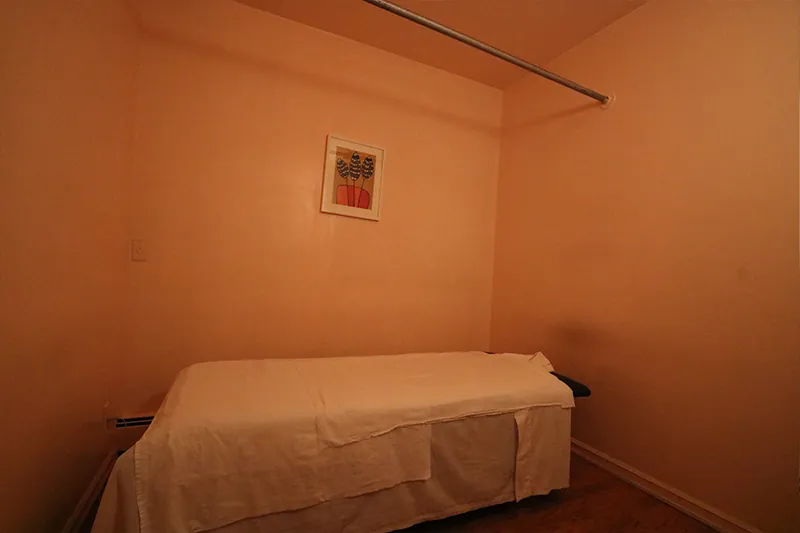
Both sessions run the same way at 205 Spa. You arrive, walk in or with a room held by phone, and have a short conversation about sore spots, injuries and pressure. You undress to comfort in a private room with fresh linens and are draped throughout. Afterward there is time to rest and rehydrate.
Before
Eat a light meal an hour or two ahead, drink water, and skip a hard workout that morning unless the session is specifically recovery. Bring details: what you train for, what hurt, when.
During
Expect pressure check ins. Sports work includes stretching, so the therapist may move your leg or arm and ask you to push lightly against a hand. Deep tissue includes holds where you breathe out. Neither should produce sharp pain.
After
Soreness for a day is normal for both, more so after deep tissue. Water, a walk and a normal meal help. Add the table shower after to rinse off the oil, or the steam sauna before to warm up. Our post on soreness after a massage covers what is normal.
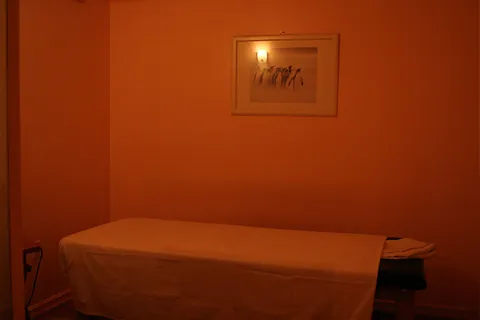
Sports and deep tissue massage at 205 Spa
205 Spa is at 205 N 6th St in Saddle Brook, between Midland Avenue and Market Street, where Routes 80, 17 and 46 meet. We are open every day from 9 AM to 11 PM, walk ins are welcome, and there is free parking on site. Call 201-368-5244 to hold a room, or come in and tell the front desk what you train for and where it hurts. The full body massage page lists both options and everything else on the menu.
Questions readers ask
Is sports massage only for athletes?
No. It suits anyone whose muscles work hard on a schedule, including warehouse staff, nurses and people who lift on weekends.
Which is more painful, sports or deep tissue?
Deep tissue is usually the more intense of the two because it holds pressure on knots. Neither should cause sharp pain, and both are adjusted on the spot when you ask.
Can I get sports massage before a race?
Yes, with lighter pressure, two or three days out. Deep work right before an event can leave muscles feeling flat.
Do I need to tell the therapist what sport I do?
Yes. It changes which muscles get the time. A runner and a lifter with the same complaint get different sessions.