Thai Massage Stretches You Can Do Between Visits
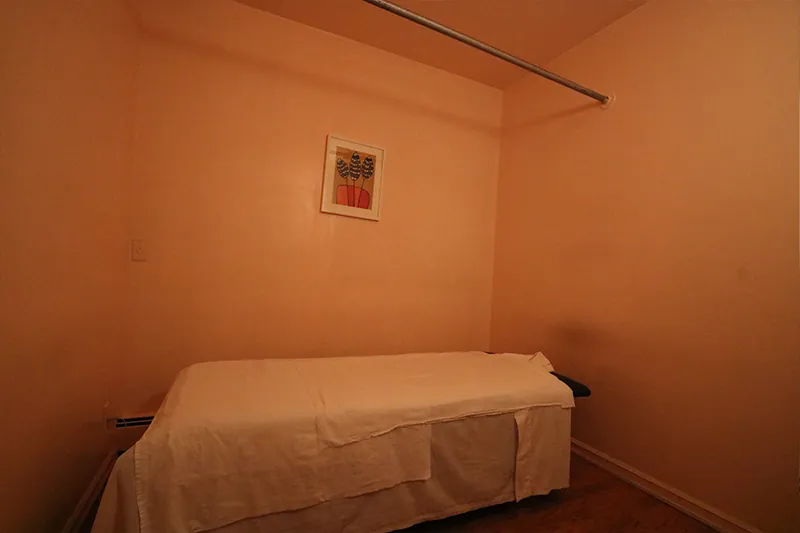
Thai massage is the session where the therapist moves you. Instead of lying still while oil and pressure do the work, you stay clothed and get stretched, pressed and rocked through positions that look a lot like yoga, which is why people call it Thai yoga massage. Guests walk out taller and then ask the obvious question: how do I keep this going until next time?
The direct answer: you cannot give yourself a Thai massage, but you can do the stretches it is built from. Six of them, held for 20 to 30 seconds each, take under ten minutes and keep the hips, hamstrings, back and shoulders from locking back up between visits. This guide explains what Thai yoga massage is, how the session at 205 Spa runs, the six stretches with holds and repeats, and when to stop stretching and come back to the table.
What Thai yoga massage is
Thai massage is a traditional bodywork style from Thailand that combines assisted stretching, rhythmic pressure along lines of the body and gentle rocking. The therapist uses hands, thumbs, forearms, elbows, knees and feet, and moves you through positions rather than working on one spot at a time. It is done fully clothed, with no oil, in loose clothing that lets the legs and hips move.
The yoga in the name comes from the shapes. Many of the positions, such as a seated forward fold, a lying spinal twist or a supported backbend, are the same shapes a yoga class uses, except that in Thai massage the therapist holds you in them and applies pressure while you relax into the stretch. Practitioners describe pressure along sen lines, which are traditional energy pathways; in plain terms the pressure runs along the muscles and connective tissue of the legs, back and arms. It is one of the 14 services on the 205 Spa services menu, next to shiatsu, the other clothed, no oil session.
How the session runs at 205 Spa
The session starts the way every session does, with a short conversation about sore spots, injuries and how much pressure you want. For Thai massage that conversation matters more than usual, because the therapist will be moving your joints, and a bad knee or a stiff lower back changes which positions are used. Say what hurts and what you want left alone.
You stay in your clothes. Wear something you could stretch in; jeans are a bad idea. The therapist works in a sequence, usually feet and legs first, then hips, then back, then shoulders, neck and arms, pressing along each limb and folding or twisting you between presses. Expect to be rocked, to have a leg lifted and pressed back toward you, and to be turned onto your side. Nothing should hurt. If a stretch is too much, say so and it will be eased. Afterward there is time to rest and rehydrate, and many people feel lighter on their feet walking to the car. The Thai massage page covers the session itself.
Six stretches from the session you can do at home
These are the shapes the session uses, done solo. Hold each for 20 to 30 seconds, breathe slowly, and stop short of pain. Do them after a warm shower or at the end of the day when the muscles are warm, never cold out of bed. If you have an injury, ask your doctor or physical therapist before adding any of these.
- Seated forward fold. Sit with legs straight out, feet together. Hinge from the hips and reach toward the shins, keeping the back long. Hold 30 seconds. Targets hamstrings and low back.
- Butterfly. Sit with the soles of the feet together, knees out. Hold the feet and let the knees drop. Hold 30 seconds. Targets inner thighs and hips.
- Lying spinal twist. Lie on your back, bring one knee across the body toward the floor, arms out to the sides, head turned the other way. Hold 20 to 30 seconds each side. Targets the low back and the sides of the hips.
- Half kneeling hip flexor stretch. One knee on the floor, the other foot forward, push the hips gently forward. Hold 30 seconds each side. Targets the front of the hip, which sitting shortens.
- Figure four. Lie on your back, cross one ankle over the opposite knee, pull the lower leg toward you. Hold 30 seconds each side. Targets the glutes and the outside of the hip.
- Child's pose with side reach. Kneel, sit back on the heels, reach both arms forward, then walk the hands to one side and hold, then the other. Hold 20 seconds each. Targets the back and the sides of the body.
A weekly plan between visits
The stretches work best as a short routine, not a long one done once. The table below is a simple plan for the weeks between sessions. The minutes are approximate; the point is consistency.
| Day | Stretches | Minutes | Notes |
|---|---|---|---|
| Day of the massage | None | 0 | Rest, water, an early night. |
| Days 1 to 3 after | Spinal twist, child's pose | About 4 | Gentle only; the session did the deep work. |
| Days 4 to 14 | All six | About 8 | Evenings, after a shower or a walk. |
| Before the next visit | All six, lighter | About 6 | Note which ones feel tight and tell the therapist. |
Most guests who keep to a routine like this find that the session can go deeper the next time because the therapist is not spending the first 20 minutes undoing two weeks of sitting. Some mild soreness the day after a Thai session is common; the post massage soreness guide explains what is normal.
Thai massage versus shiatsu and Swedish
People who like Thai massage often ask how it compares with the other clothed session, shiatsu, and with the oil based Swedish session that most spas treat as the default. The quick version: Thai moves you, shiatsu presses you, Swedish strokes you.
- Thai massage: clothed, no oil, assisted stretching and rhythmic pressure along the limbs. Best for stiff hips, hamstrings and backs, and for people who want to feel more mobile afterward.
- Shiatsu: clothed, no oil, thumb and palm pressure on points, mostly with you lying still. Best for targeted neck, shoulder and back tension. The shiatsu page describes it.
- Swedish: oil based, undress to comfort with draping, long strokes. Best for relaxation and for people who want to be left alone to drift.
You can switch between them visit to visit. A common pattern for desk workers is Thai one visit for the hips and hamstrings, then deep tissue the next for the shoulders.
Who should go easy, and when to stop stretching
Thai massage and the home stretches are generally safe for healthy adults, but assisted stretching is not for every body on every day. Tell the therapist, and ask your doctor before stretching at home, if you have a recent injury or surgery, a disc problem, osteoporosis, a joint that dislocates easily, a blood clotting condition, or if you are pregnant. The therapist can adapt the session or steer you to a gentler style.
At home, stop and come back to the table instead of pushing through if a stretch sends pain down a leg or an arm, if a joint clicks and then hurts, if the tightness is on one side only and getting worse, or if soreness after stretching lasts more than two days. Those are signs for a professional, which may mean the therapist or may mean a doctor. Published research supports stretching for flexibility and comfort in general; it does not support stretching through pain.
Keep the session going at 205 Spa
The stretches hold the gains; the session makes them. 205 Spa is at 205 N 6th St in Saddle Brook, between Midland Avenue and Market Street, open every day from 9 AM to 11 PM. Walk ins are welcome, parking on site is free, and 201-368-5244 holds a room for a set time. Come in loose clothing, tell the therapist which of the six stretches felt tightest, and see the services page for Thai massage and the other clothed and oil based options.
Questions readers ask
What should I wear for a Thai massage?
Loose, stretchy clothing such as sweatpants or leggings and a T shirt. You stay dressed for the whole session and the therapist moves your legs and arms, so jeans and tight waistbands get in the way.
How often should I get a Thai massage?
Every two to four weeks suits most people who sit for work, with the six home stretches in between. Athletes in training sometimes come more often; ask the therapist what fits your body.
Can I do the stretches on the day of the massage?
Rest on the day of the session. The therapist has already stretched you, and adding more can leave you sorer the next day. Start again gently a day or two later.
Is Thai massage painful?
It should not be. The stretches go to the point of a strong pull, not pain, and the pressure is set during the opening conversation. Say so during the session if anything is too much and it will be eased.